“The aim of this method of expression was to make unconscious contents accessible and so bring them closer to the patient’s understanding.”
— Carl Gustav Jung
About Carly
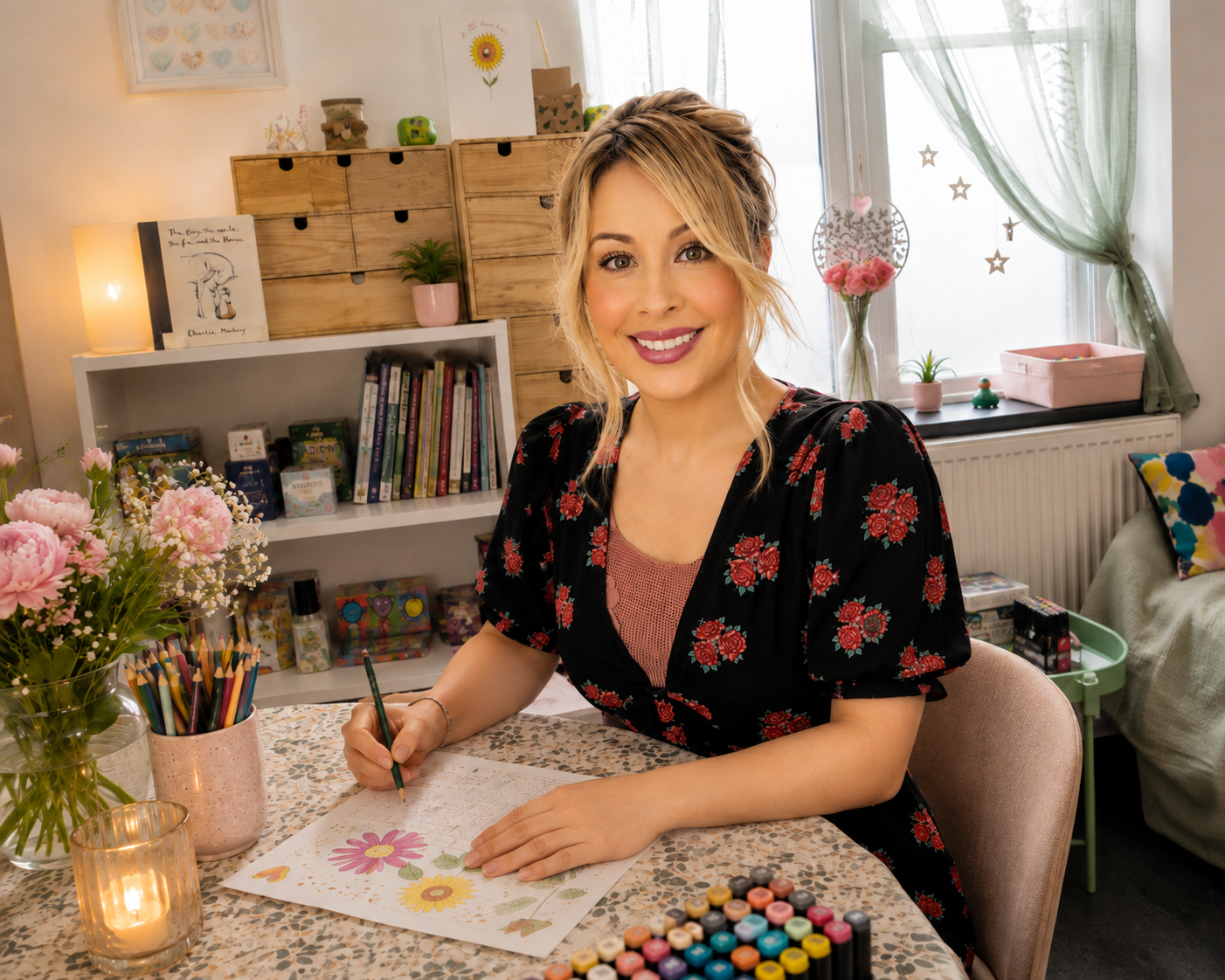
Carly is an HCPC and BAAT Registered Art Psychotherapist with over 17 years’ experience working across mental health, community and education services, supporting children, young people and adults throughout different stages of life.
Her professional journey began with six years of university study, including an undergraduate BSc in Community Health and Social Science, followed by a three-year Master’s degree in Art Psychotherapy. Since qualifying, Carly has continued to develop her practice through extensive postgraduate training and CPD, with particular interests in trauma, DDP, PACE, Polyvagal-informed approaches and neurodiversity.
Carly currently specialises in working with children, young people, parents and carers. She has experience supporting a wide range of presenting needs, including emotional wellbeing, mood, behaviour and self-image; autism and neurodevelopmental differences; experiences of trauma; transitions; and significant changes in life circumstances.
Carly works integratively, drawing upon a range of psychological perspectives and therapeutic approaches to thoughtfully tailor her work to each individual. Her practice is grounded in person-centred and humanistic principles, alongside psychodynamic thinking and trauma-informed practice. She is committed to ongoing professional development, particularly within the evolving fields of neurodiversity, trauma and contemporary therapeutic approaches.
A collaborative and individual approach
Carly believes that therapy should be collaborative, responsive and individual to each person. She welcomes an open conversation about what you would like to explore and works at a pace that feels manageable and appropriate for you.
Through both creative and verbal approaches, therapy can offer a space to develop a deeper understanding of your emotions, experiences and circumstances. Art does not need to be about being “good at art”; rather, creative processes can provide another way of communicating, exploring and making sense of experiences that can sometimes be difficult to put into words.
Connecting mind and body
A key part of Carly’s approach is exploring the relationship between the mind and body. Through art and somatic exploration, therapy can provide an opportunity to reconnect with parts of yourself that may have become disconnected, overwhelmed or difficult to access over time.
This work can support greater self-awareness, emotional processing and regulation, while creating opportunities to develop a stronger sense of connection with yourself, your experiences and your relationships.
Above all, Carly aims to create a therapeutic space that feels safe, compassionate and non-judgemental — where you can be understood as an individual and where there is space to explore what matters to you.